Adaptive Encryption Protocols Securing Cross-Border Transfers in App-Based Table Games
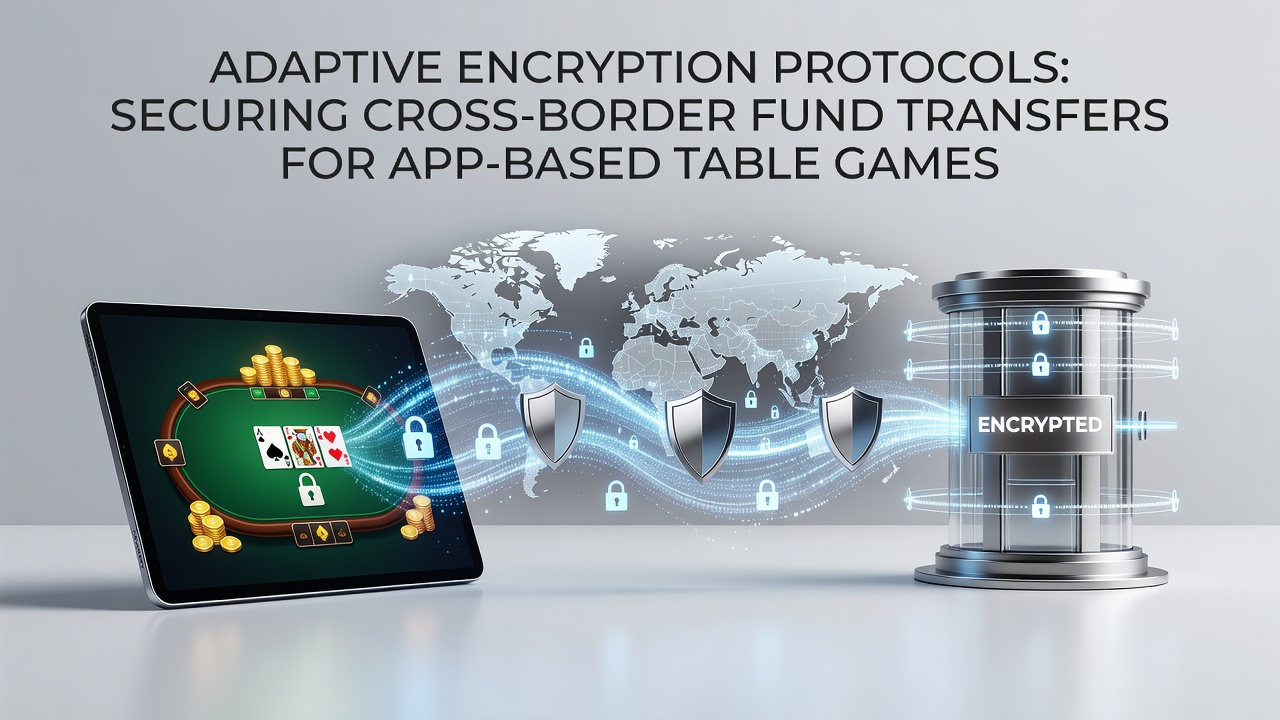
Adaptive encryption protocols adjust their parameters in real time based on detected risk factors, network conditions, and jurisdictional requirements, which allows platforms handling app-based table games to protect fund transfers that cross multiple borders without fixed security layers that might slow operations or fail under new threats. These systems monitor variables such as user location, transaction size, device type, and historical patterns, then shift cipher strength, key rotation frequency, or algorithm selection accordingly while maintaining compliance with varying international standards.
Mechanics Behind Adaptive Encryption in Gaming Transfers
Developers integrate these protocols into payment gateways that serve poker, blackjack, and roulette applications by combining symmetric encryption for speed during active sessions with asymmetric methods for initial authentication, and the adaptation occurs through continuous threat assessment engines that raise encryption levels when anomalies appear, such as unusual IP shifts or high-value movements from regions with recent regulatory changes. Research from institutions tracking fintech security shows these adjustments reduce successful interception attempts while preserving transaction speeds that players expect in live table environments.
Observers note that the protocols often draw on established frameworks like those outlined in reports from the National Institute of Standards and Technology, where guidelines emphasize dynamic key management that responds to emerging computational risks. In practice, a transfer initiated from one country to an operator licensed in another might start with standard AES-256 encryption and escalate to quantum-resistant variants if the system flags potential exposure through public networks or third-party processors.
Cross-Border Challenges and Protocol Responses
Fund movements for table game winnings or deposits encounter differing data protection rules, currency controls, and banking partner requirements across jurisdictions, yet adaptive systems address these by embedding compliance checks directly into the encryption workflow so that data fields containing personal identifiers receive additional masking when routed through certain corridors. Data from industry analyses indicate that platforms using such layered approaches report fewer compliance incidents compared with static encryption setups that cannot adjust mid-transfer.
One documented case involved a European operator processing payments from Asian markets where sudden policy shifts in capital flow monitoring prompted the protocol to increase key rotation intervals and route traffic through additional verification nodes, all without interrupting ongoing game sessions. These responses rely on machine learning models trained on aggregated transaction metadata, allowing the system to predict and preempt friction points rather than react after delays occur.
Integration With Mobile Table Game Platforms
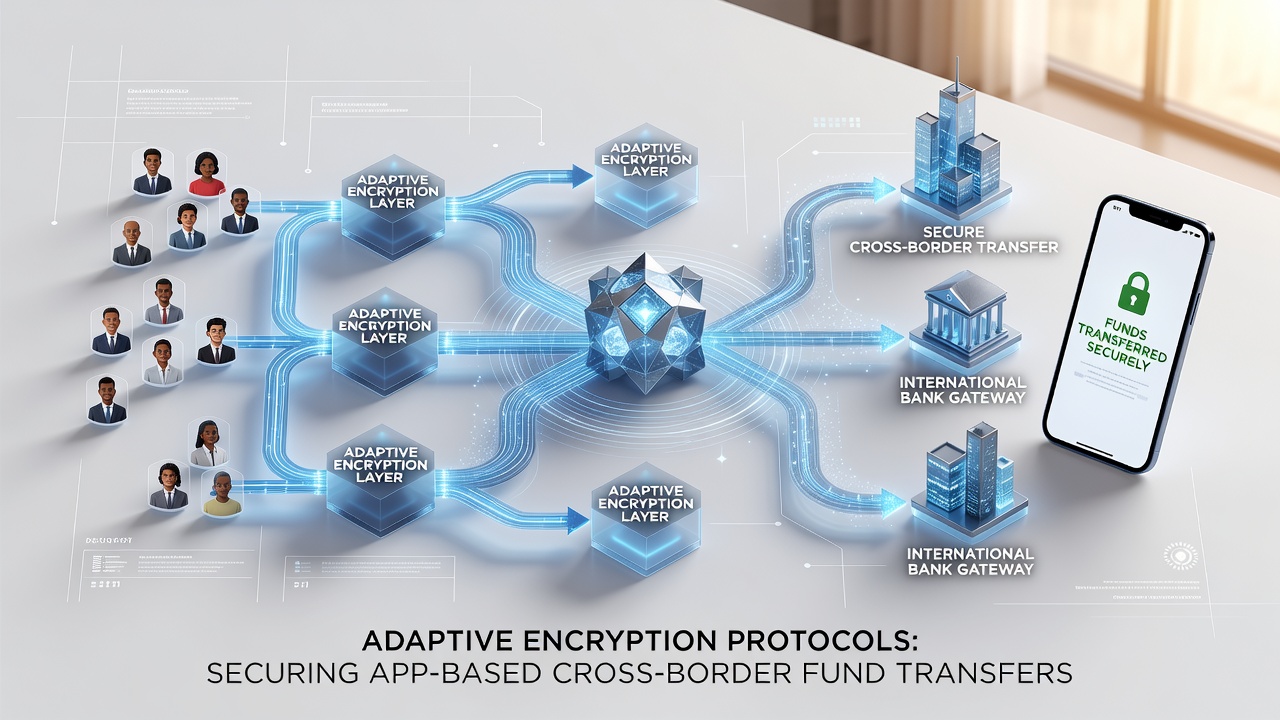
App developers embed adaptive encryption modules into both client-side and server-side components so that every deposit, withdrawal, or in-game stake adjustment travels through protected channels that scale security to match the sensitivity of the data involved. For instance, small recurring deposits might use lighter protocols to maintain low latency during peak hours, whereas large prize payouts trigger stronger authentication sequences and segmented data packets that limit exposure if one segment encounters interference.
Studies conducted by academic groups focused on secure distributed systems reveal that this selective strengthening cuts overall computational overhead by up to thirty percent relative to uniform high-strength encryption across all traffic. Platform operators in multiple regions have adopted these techniques to meet expectations from players who move between applications while expecting consistent protection regardless of their physical location at the time of transfer.
Regulatory Landscape and Technical Standards in 2026
By June 2026, several regulatory bodies outside traditional European oversight had issued updated guidance requiring encryption adaptability for any cross-border gaming payment exceeding defined thresholds, prompting operators to audit their existing stacks and incorporate modular protocol libraries that accept new algorithm updates without full redeployment. Figures from the Australian Communications and Media Authority tracking digital transaction security show increased adoption rates among licensed platforms following these clarifications.
Trade associations representing online entertainment providers have published interoperability specifications that encourage shared testing environments for adaptive systems, reducing duplication of effort when operators expand into new markets. These specifications emphasize audit trails that log every encryption parameter change, giving regulators visibility into how decisions were reached during each transfer event.
Future Directions for Protocol Development
Engineers continue refining the feedback loops that drive adaptation by incorporating signals from device sensors and network telemetry, which enables finer control over when to switch between encryption modes during a single session. Reports from collaborative research projects between universities and payment processors highlight early successes in simulating attacks that force protocols to demonstrate their adjustment capabilities under controlled stress conditions.
Operators who have implemented these evolving standards report smoother scaling when player volumes surge across time zones, because the system automatically balances security intensity with available bandwidth rather than applying blanket restrictions. Continued refinement focuses on minimizing false positives in threat detection so that legitimate high-volume users experience uninterrupted service while still receiving appropriate protection layers.
Conclusion
Adaptive encryption protocols provide a responsive framework that aligns security measures with the specific demands of cross-border fund transfers in app-based table game environments, drawing on real-time data to maintain both compliance and performance across diverse regulatory and technical landscapes. As adoption widens through 2026 and beyond, the integration of these systems with existing mobile platforms continues to evolve through documented standards and collaborative testing, supporting secure operations without introducing unnecessary friction for participants.