17 Jul 2026
Behind the Curtain of RNG Certification Labs and Their Role in Shaping Slot Fairness Protocols
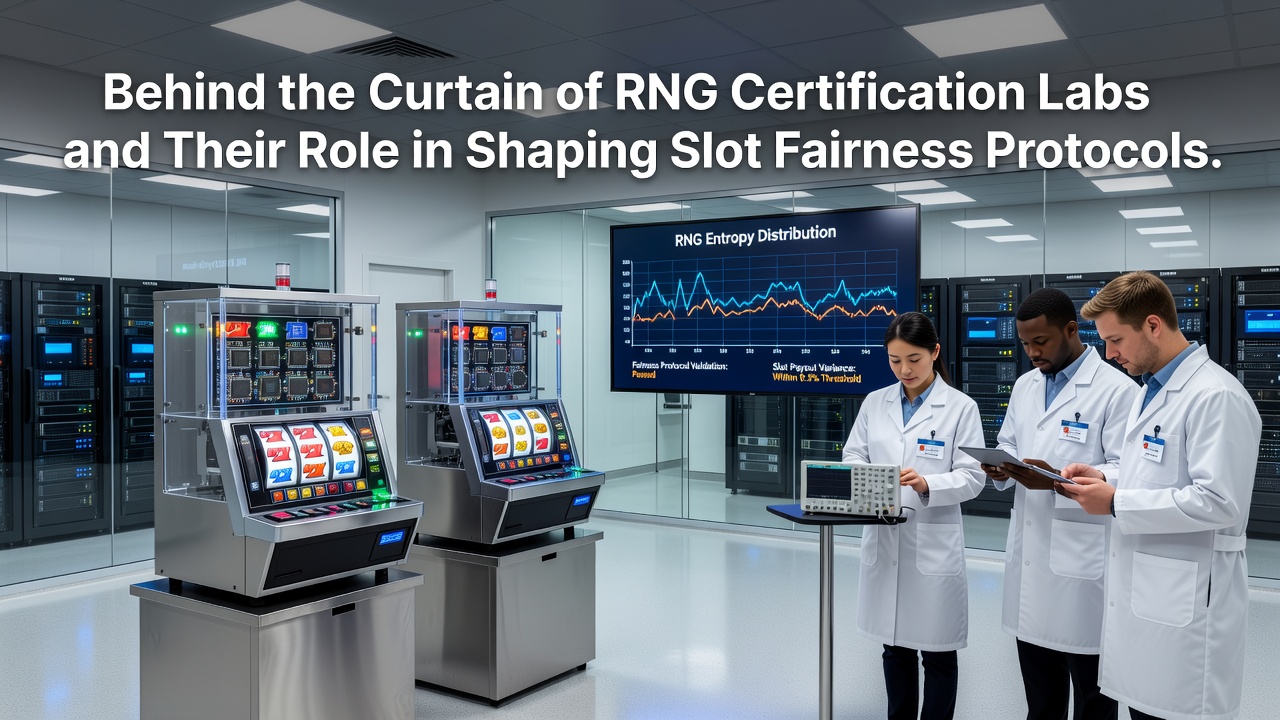 RNG certification labs operate as independent facilities that evaluate random number generators used in slot machines, and these evaluations establish the technical foundation for fairness protocols across global gaming markets. Labs such as Gaming Laboratories International and iTech Labs conduct statistical analysis on RNG outputs to verify that sequences meet predefined randomness criteria before any game reaches commercial deployment. Operators submit source code and hardware specifications to these labs, which then run extensive test batteries including diehard and NIST statistical suites along with custom simulations tailored to slot mechanics. Testing begins with source code review where engineers examine the underlying algorithms for predictability or bias, and this step often reveals implementation flaws that developers correct prior to final approval. Once code passes initial scrutiny, labs generate millions of number sequences in controlled environments to measure distribution uniformity, cycle length, and independence between successive values. Data from these runs feed into reports that quantify deviation rates against regulatory thresholds, and labs issue certification only when metrics fall within acceptable bounds.
Core Testing Methodologies Employed by Certification Facilities
Analysts apply both theoretical and empirical methods to assess RNG performance, and they combine mathematical proofs of algorithm properties with practical output sampling. For pseudorandom generators, experts verify seed management practices and confirm that external inputs such as timestamps or hardware entropy sources remain unpredictable. Hardware RNGs undergo additional scrutiny of physical components including noise diodes and thermal sensors, where labs measure entropy rates and test resistance to environmental manipulation.
Slot-specific evaluations extend beyond basic randomness to examine how RNG values map onto game outcomes including reel stops, bonus triggers, and progressive jackpots. Researchers simulate full game cycles across billions of spins to confirm that return-to-player percentages align with documented specifications, and any discrepancy triggers further code audits. These simulations incorporate regulatory parameters such as minimum hit frequencies and maximum prize caps that vary by jurisdiction.
Regulatory Frameworks and International Standards
Jurisdictions reference certification reports when issuing operating licenses, and regulators in Nevada require RNG approvals from labs accredited by the Nevada Gaming Control Board before any slot enters the market. Similar requirements appear in Australia where state authorities accept reports from approved testing houses that demonstrate compliance with local technical standards. European regulators often mandate additional layers of testing focused on game logic integrity and player protection features beyond core randomness checks.
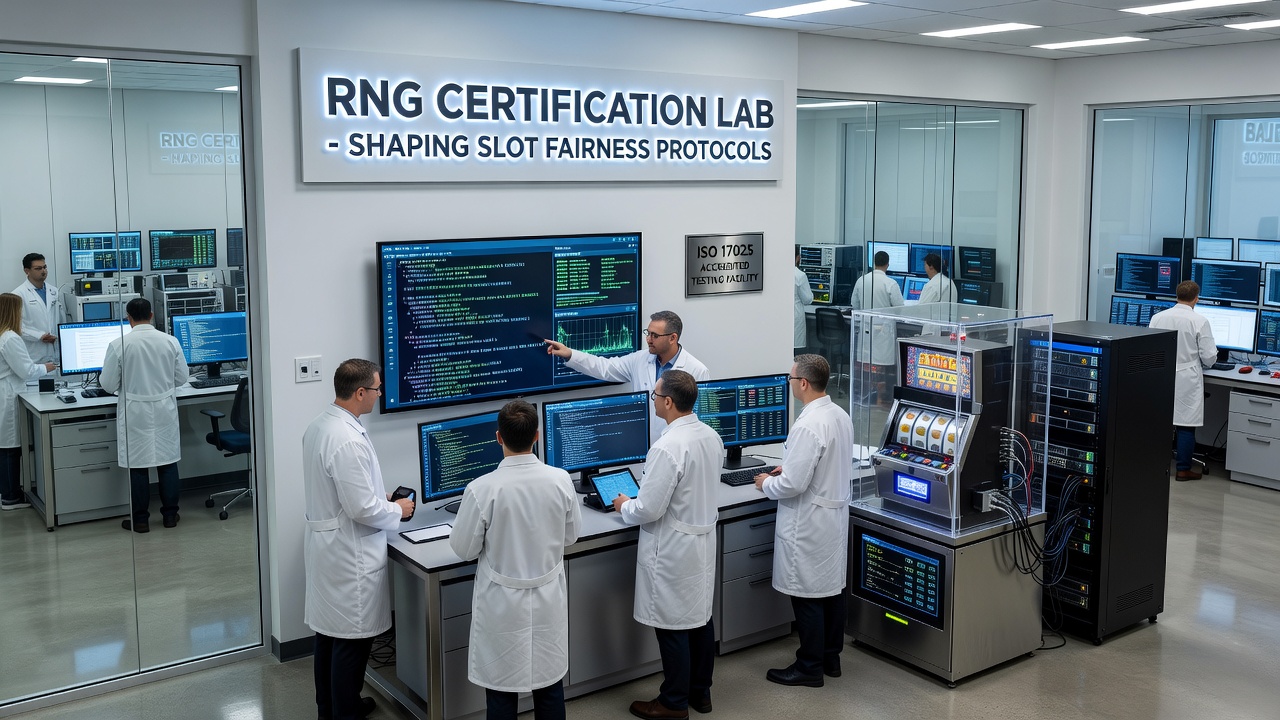
Standards organizations publish guidelines that labs follow during evaluations, and updates to these documents directly influence protocol revisions. In July 2026 several jurisdictions plan to implement enhanced entropy requirements for online slots, prompting labs to expand test suites accordingly. These changes reflect ongoing collaboration between regulators, labs, and software providers to address emerging computational threats.
How Certification Shapes Slot Fairness Protocols
Certification outcomes determine the parameters operators must embed in their fairness protocols, including mandatory reseeding intervals and audit logging formats. When labs identify weaknesses in a particular RNG implementation, developers adjust algorithms and resubmit for retesting, which creates an iterative refinement cycle that strengthens overall system integrity. Regulators then incorporate successful certification criteria into licensing conditions, effectively translating lab findings into enforceable rules.
Multi-jurisdictional operators maintain separate certification tracks for each market, and labs coordinate with regional authorities to align testing procedures where possible. This coordination reduces duplication while preserving jurisdiction-specific thresholds for statistical significance and game mathematics. Data aggregated across multiple lab reports informs broader industry benchmarks that guide protocol updates over time.
Emerging Developments in RNG Evaluation
Advances in quantum computing have prompted labs to explore post-quantum cryptographic techniques for RNG seeding, and several facilities began pilot programs in early 2025 to assess resistance against future computational attacks. These efforts involve collaboration with academic researchers who contribute specialized analysis tools and theoretical models. Reports from these initiatives feed into standards revisions scheduled for later in the decade.
Remote testing capabilities expanded after 2023, allowing labs to analyze live data streams from operator servers without physical hardware shipment. Secure channels transmit encrypted outputs for real-time statistical monitoring, and this approach supports continuous compliance verification rather than one-time certifications. Regulators in multiple regions now accept remote audit data as part of ongoing oversight programs.
Conclusion
RNG certification labs continue to serve as technical gatekeepers that translate regulatory intent into measurable game parameters, and their evaluations underpin the fairness protocols that govern slot operations worldwide. Ongoing refinements in testing methodologies and standards development ensure that protocols adapt to technological shifts while maintaining consistent statistical guarantees. Operators, regulators, and labs maintain interconnected workflows that sustain these verification processes across evolving market conditions.