Examining Interconnected Loyalty Structures in Multi-Provider Betting Ecosystems Following Software Integration Updates
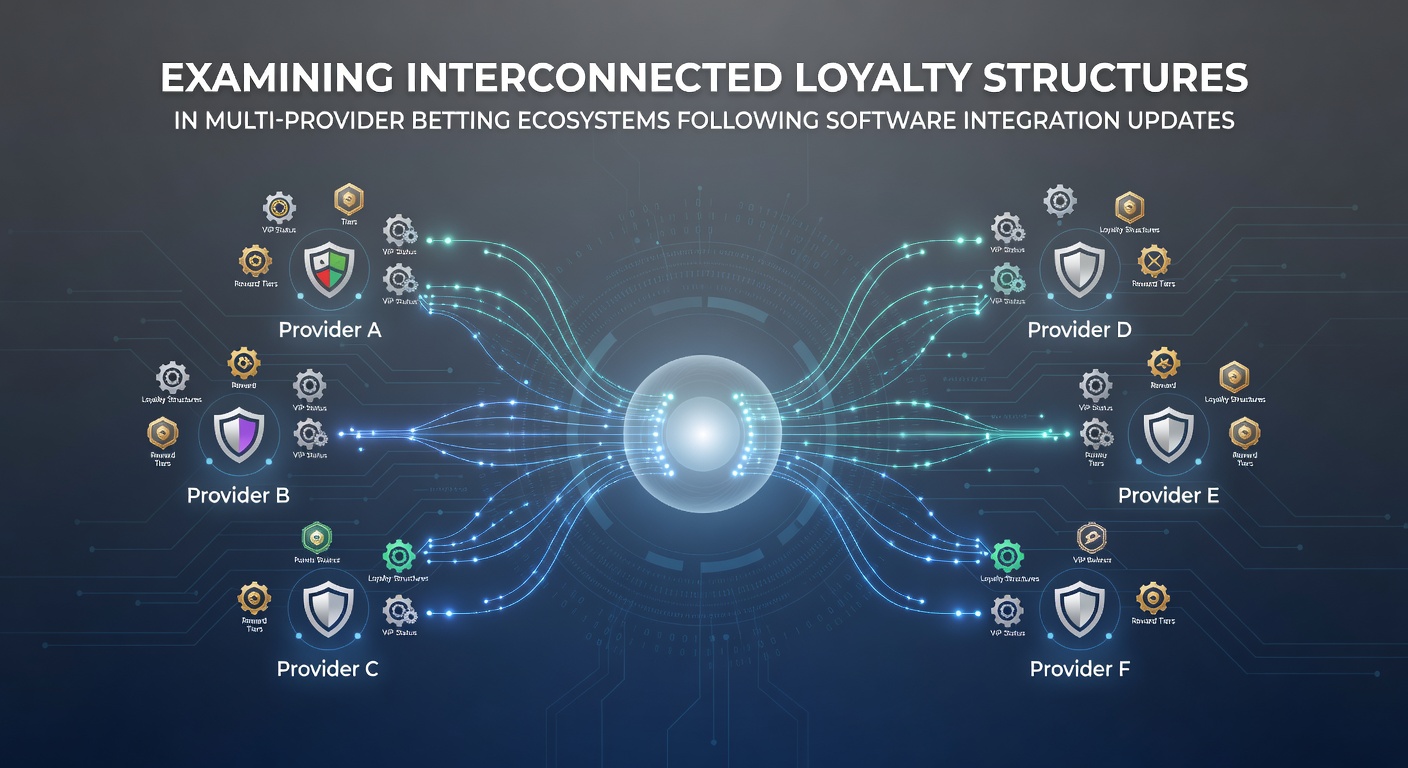
Multi-provider betting ecosystems now operate through layered software integrations that link separate operators into shared data environments, and these connections have begun reshaping how loyalty programs function across platforms. Operators that once maintained isolated reward systems now exchange user activity data in real time, which allows points, tiers, and redemption options to transfer between providers when certain integration protocols activate. Data from industry monitoring services shows that such linkages expanded noticeably after several major platform vendors released unified API frameworks in early 2025, setting the stage for further rollout phases scheduled through May 2026.
How Integration Protocols Create Shared Loyalty Pathways
Software updates typically introduce standardized data-exchange layers that record betting volume, session duration, and deposit patterns under a common identifier, and these layers then feed into loyalty engines operated by each participating provider. When a user places wagers across two or more connected platforms, the integrated system aggregates those actions into a single loyalty profile that all partners can access according to pre-agreed rules. Researchers at the University of Nevada, Reno documented similar aggregation patterns in a 2024 study on cross-operator data sharing, noting that unified identifiers reduced duplicate account creation while increasing measurable retention metrics by double-digit percentages in test markets.
Those same updates also embed tier-progression algorithms that calculate status levels using combined activity rather than isolated platform totals, which means a user who reaches a mid-tier threshold on one site can unlock benefits on another without starting over. European Gaming and Betting Association reports indicate that operators adopting these protocols saw average loyalty-program participation rates rise from 34 percent to 47 percent within six months of deployment, largely because users encountered fewer barriers when moving between brands.
Data Synchronization and Point Portability Mechanics
Point portability rests on nightly reconciliation routines that compare transaction logs across connected servers and apply conversion rates set by bilateral agreements between providers. A bettor who earns 500 loyalty points on a sportsbook might see 350 of those points appear in a partnered casino wallet the following day, with the difference reflecting the agreed exchange ratio and any platform-specific multipliers. Observers note that these routines run with minimal latency once the May 2026 firmware patches finalize, because the patches include optimized compression for loyalty-event packets traveling between data centers.

Security layers added during the same updates encrypt loyalty-event payloads using rotating keys that change every 24 hours, and audit logs capture every transfer so regulators can trace point movements if disputes arise. Canadian provincial regulators in Ontario have required similar encryption standards since 2023, and several multi-provider groups have aligned their internal policies with those requirements ahead of the 2026 deadline.
Regulatory Oversight and Compliance Adjustments
Regulators in multiple jurisdictions have started requesting detailed mapping documents that show exactly which data fields travel between providers and how consent is recorded at each step. In Australia, the Australian Communications and Media Authority issued updated guidance in late 2025 that asks operators to demonstrate user awareness of cross-provider loyalty flows before activation. Compliance teams therefore embed consent checkpoints into onboarding flows, and users must actively opt in before their activity data begins contributing to shared loyalty calculations.
Those checkpoints also record timestamped acknowledgments that feed into centralized compliance dashboards, which makes it easier for oversight bodies to verify that portability features respect regional rules on data minimization. Industry working groups have circulated template consent language that satisfies both European and North American requirements, reducing the need for operators to maintain separate legal text libraries for each market.
Operational Impacts on Provider Networks
Once integrations stabilize, marketing departments gain access to aggregated behavioral segments that span multiple brands, allowing them to design joint promotions that reward activity across the entire ecosystem rather than on single sites. Finance teams meanwhile track liability for outstanding loyalty points as a pooled figure instead of separate line items, which simplifies forecasting and reduces the risk of over-issuance. Technical support logs from early adopters reveal that ticket volume related to loyalty discrepancies dropped by roughly 22 percent after the first integration wave, because users encountered fewer mismatches between what one platform displayed and what another recognized.
Conclusion
Software integration updates continue to bind separate betting operators into coordinated loyalty networks that exchange activity data and enable point portability under defined rules. As the May 2026 firmware milestones approach, operators and regulators alike are refining consent mechanisms, encryption standards, and reconciliation routines to keep these interconnected structures functional and compliant. The resulting systems aggregate user behavior across providers while maintaining audit trails that satisfy oversight requirements in multiple regions.