12 Jul 2026
How Notification Timing Sequences Shape Deposit Patterns in Mobile Betting Platforms
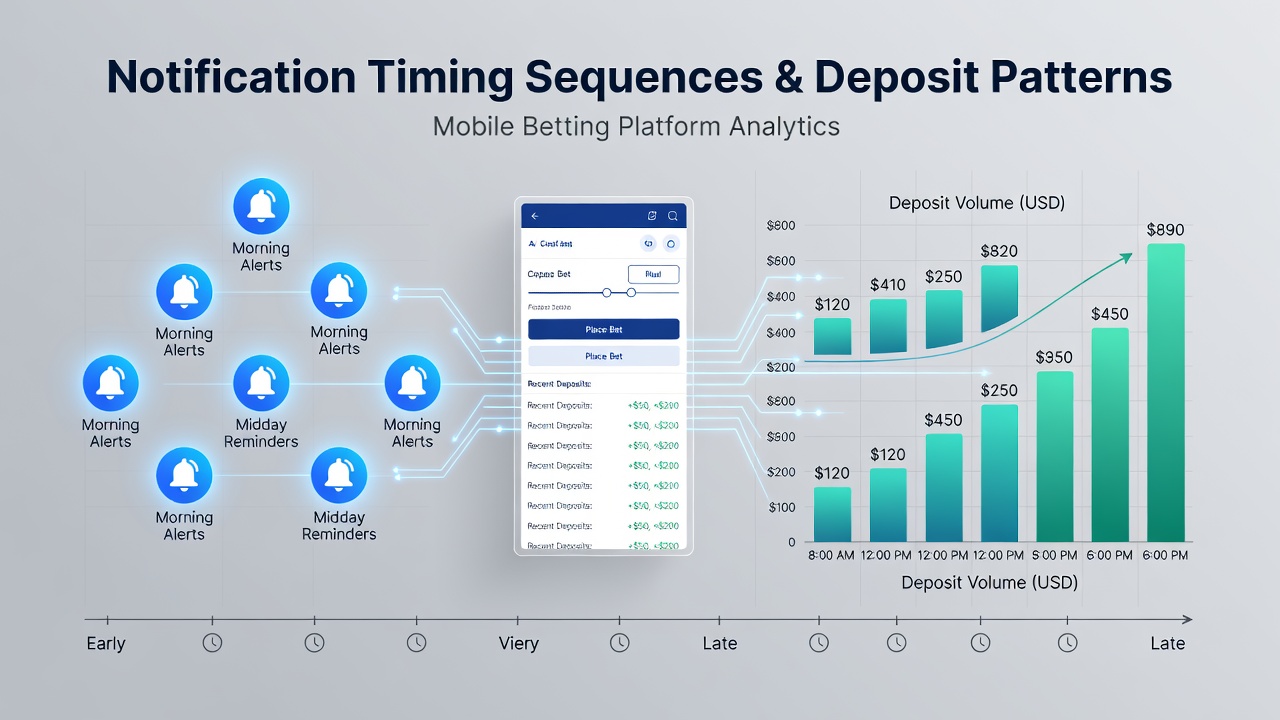
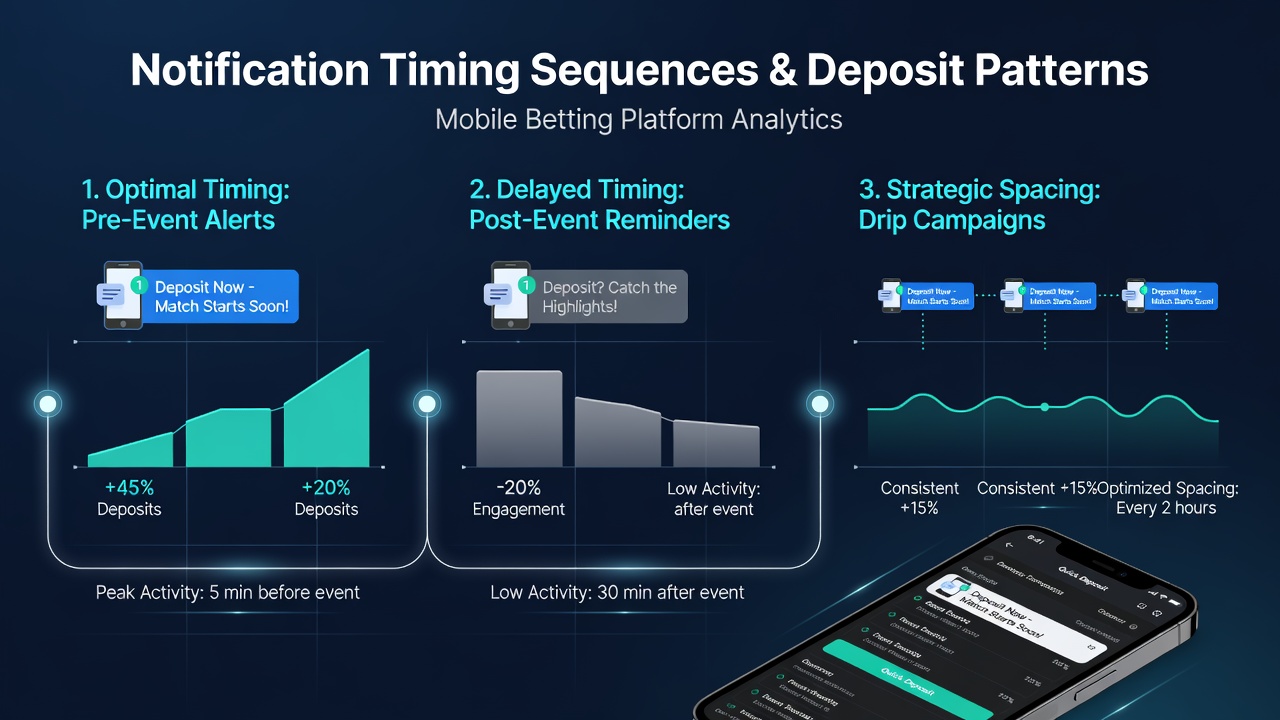
Notification timing sequences consist of coordinated push alerts delivered at precise intervals across mobile betting applications, and these sequences directly influence when users initiate deposits. Platforms schedule these alerts based on user activity logs, time-of-day preferences, and ongoing promotions, which creates measurable shifts in deposit volumes during specific windows. Data collected from major operators indicates that sequences spaced 90 to 120 minutes apart generate higher deposit completion rates than random or clustered deliveries, because the spacing aligns with typical user engagement cycles on smartphones.
Operators track these patterns through aggregated app telemetry that records teh exact moment a notification arrives relative to the subsequent deposit action. Research from the Australian Institute of Criminology shows that sequences beginning in the early evening local time produce deposit spikes within 45 minutes for users in urban areas, while morning sequences correlate with steadier but smaller transaction sizes across regional cohorts. These observations hold across multiple device types and operating systems, confirming that the sequence structure itself drives behavioral responses rather than content alone.
Mechanics of Sequence Delivery
Sequence delivery relies on backend algorithms that reference historical deposit timestamps and current session data to determine optimal send times for each user segment. The first notification often highlights an available bonus or odds update, the second reinforces the message with a countdown element, and subsequent alerts adjust tone based on whether prior messages received any interaction. This layered approach keeps the sequence adaptive, and platforms refine the intervals continuously using machine learning models trained on deposit logs from the preceding quarter.
Time zone adjustments play a central role because global user bases receive notifications calibrated to their registered locations. When sequences cross into new time zones, deposit activity migrates accordingly, with peaks appearing in the recipient regions roughly 30 minutes after the adjusted delivery window. Observers note that platforms operating across multiple continents maintain separate sequence templates for each major market to account for cultural differences in evening routines and weekend patterns.
Observed Deposit Response Patterns
Deposit volumes rise measurably when notification sequences coincide with live event starts or bonus expiration deadlines. In July 2026, several North American operators reported deposit increases of 18 to 22 percent during sequences timed 15 minutes before major league matches, according to internal analytics shared with industry researchers. The same data sets reveal that sequences delivered more than three hours apart lose effectiveness, as users tend to disengage before reaching the final prompt in the chain.
Users who receive sequences containing both visual and text elements complete deposits at higher rates than those exposed to text-only sequences, yet the timing interval remains the dominant variable. Studies conducted by the Canadian Centre on Substance Use and Addiction examined transaction logs from 2025 and found that sequences initiated between 7:00 p.m. and 9:00 p.m. local time produced the most consistent deposit clusters, while overnight sequences generated fewer but larger average transaction amounts. These findings emerge from anonymized datasets covering millions of sessions, which allows researchers to isolate timing effects from promotional content variations.
Platform Adjustments and Regulatory Context
Operators modify sequence parameters in response to observed deposit curves, shortening intervals during high-traffic periods and extending them when user fatigue appears in the metrics. Regulatory bodies in several jurisdictions require operators to maintain records of notification frequency and timing to ensure compliance with responsible gaming standards, and these records feed directly into academic analyses of behavioral patterns. The Nevada Gaming Control Board, for example, collects quarterly summaries that include notification logs alongside deposit statistics, providing a consistent data source for longitudinal studies.
Cross-border operators face additional complexity because deposit methods and currency conversions interact with timing sequences. A sequence that triggers rapid deposits in one market may produce delayed responses in another due to banking hours or verification procedures, which forces platforms to maintain separate cadence rules per jurisdiction. Researchers at the University of Sydney have documented these regional differences through comparative analysis of Australian and Southeast Asian betting apps, highlighting how sequence timing must accommodate local payment infrastructure variations.
Future Sequence Optimization Trends
Advancements in predictive modeling allow platforms to test sequence variations on small user cohorts before full deployment, which reduces the risk of widespread deposit pattern disruptions. These A/B tests measure deposit latency, amount, and frequency against control groups that receive no notifications during the same period. Results consistently show that sequences incorporating user-specific historical deposit times outperform generic schedules, and operators increasingly integrate device usage data to refine delivery precision further.
Integration with live event data streams enables dynamic sequence adjustments, where an unexpected match delay or score change triggers an immediate follow-up notification within an existing sequence. This responsiveness keeps deposit activity aligned with real-time developments on the platform, and early implementations in 2026 demonstrated measurable lifts in deposit conversion during extended live sessions. Continued refinement of these adaptive sequences depends on sustained access to granular user telemetry while respecting privacy frameworks established by regional authorities.
Conclusion
Notification timing sequences exert measurable influence over deposit patterns in mobile betting platforms through structured delivery intervals, regional calibration, and integration with live event triggers. Data from regulatory summaries and academic studies confirm that specific timing windows produce distinct deposit responses across user segments and geographic markets. As platforms continue to refine sequence algorithms using historical transaction data, the relationship between notification cadence and deposit behavior remains a central focus for operators and researchers alike.