17 Jun 2026
Impact of Biometric Feedback Loops on Session Duration Controls in App-Based Wagering Environments
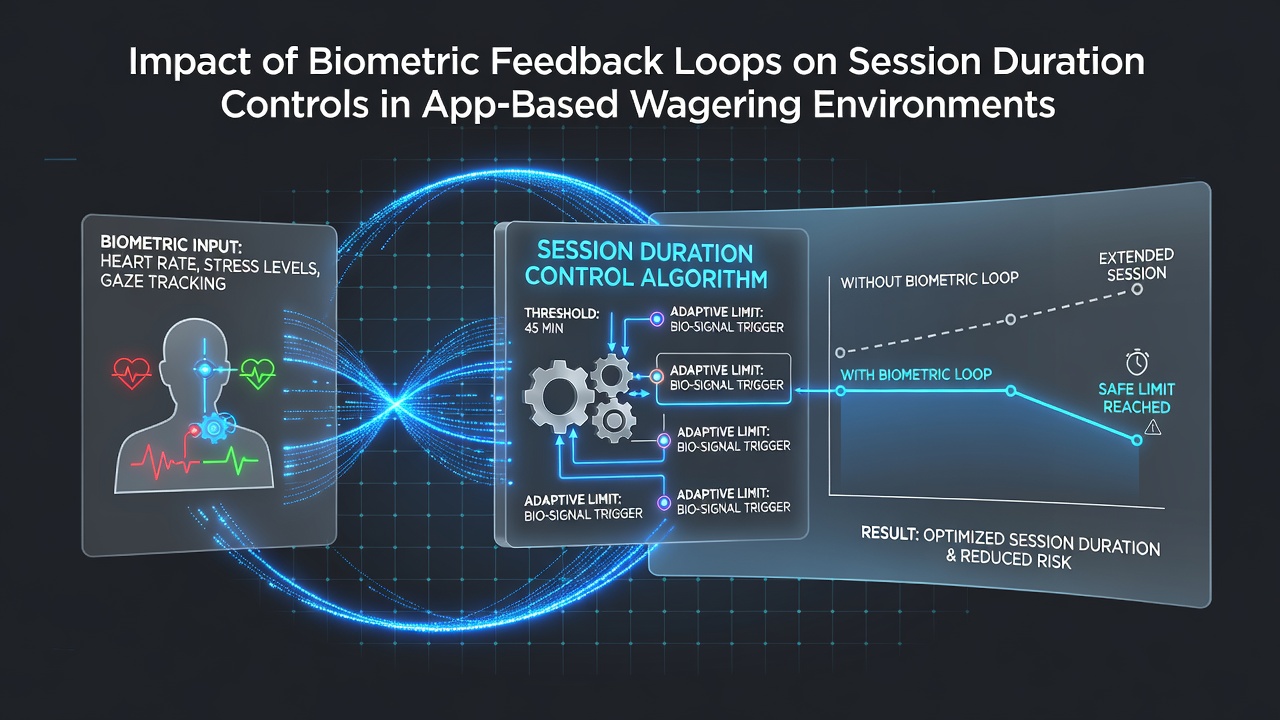
Biometric feedback loops have started reshaping how app-based wagering platforms manage session lengths, drawing on real-time data from heart rate monitors, skin conductance sensors and eye-tracking features built into smartphones and wearable devices. These systems collect physiological signals during active betting periods, then feed the information back into algorithms that adjust prompts for breaks or limits without direct user input. Researchers tracking deployments across North American and European markets note that such integrations emerged more prominently after 2023 as device hardware capabilities expanded and regulatory frameworks began emphasizing harm reduction metrics tied to player behavior patterns.
Core Mechanisms Driving Feedback Integration
Platforms implement these loops by pairing device-level biometric APIs with backend session management software, where elevated arousal indicators trigger graduated interventions like temporary stake reductions or cooling-off messages delivered through the app interface. Data from a 2025 industry report compiled by the Canadian Centre for Gaming Research shows correlations between sustained high heart rate variability and extended play sessions exceeding 45 minutes in sports betting applications, prompting developers to refine threshold settings that pause autoplay functions once predefined stress markers appear. Observers note that Australian wagering operators testing similar setups in early 2026 reported measurable shifts in average session times, particularly when feedback loops incorporated galvanic skin response alongside self-reported fatigue levels collected at interval prompts.
Observed Effects on User Session Patterns
Analyses of aggregated platform data indicate that biometric-triggered controls often shorten overall engagement windows by interrupting momentum before users reach self-imposed thresholds. A University of Sydney study released in March 2026 examined anonymized logs from several app providers and found that sessions incorporating real-time biometric alerts averaged 18 percent shorter durations compared to control groups without such features active, while total wager volumes remained relatively stable due to compensatory increases in bet frequency within those compressed periods. What's interesting here involves how users adapt over repeated exposures, with some exhibiting quicker recognition of intervention cues and voluntarily extending breaks, whereas others demonstrate habituation that reduces the immediate impact of alerts after multiple sessions.
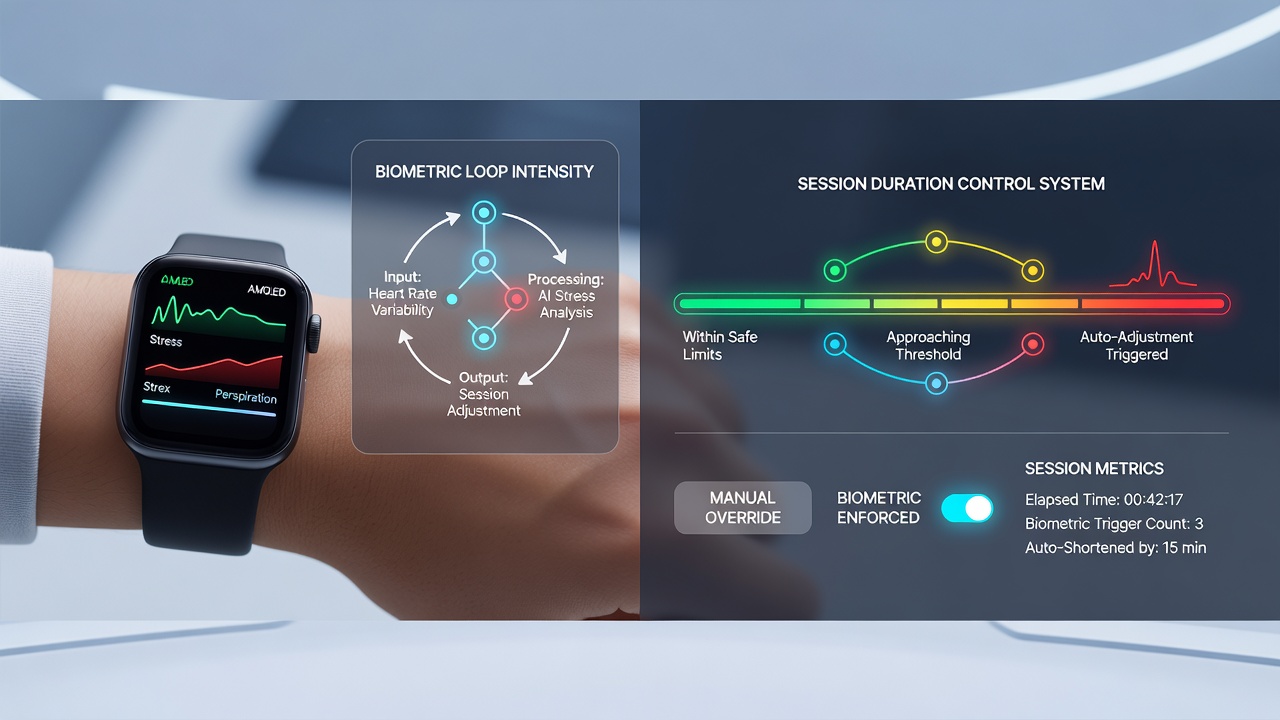
European operators following guidelines from the Malta Gaming Authority have incorporated these loops into responsible gambling toolkits, linking them directly to mandatory loss-limit systems that activate earlier when biometric readings suggest heightened emotional states. Figures from pilot programs conducted through June 2026 reveal that integration reduced instances of sessions surpassing two hours by noticeable margins in live casino environments, although the same data sets highlight variability across demographic groups with younger users showing stronger responsiveness to visual feedback overlays than older cohorts.
Technical and Regulatory Considerations
Implementation challenges arise around data privacy compliance, since continuous biometric collection requires explicit consent frameworks aligned with regional standards such as those outlined by the Office of the Privacy Commissioner of Canada. Developers address latency issues by processing signals locally on devices before transmitting summarized metrics to central servers, which helps maintain responsive controls without draining battery resources during extended play. Industry associations including the European Gaming and Betting Association have published technical briefs detailing best practices for calibrating feedback sensitivity to avoid false positives that might frustrate users or inadvertently encourage quicker returns after forced pauses.
Cross-border operators face additional layers when harmonizing these systems with varying jurisdictional requirements, particularly where some markets mandate third-party audits of algorithmic decision trees used to interpret biometric inputs. Reports from the National Council on Problem Gambling in the United States reference ongoing evaluations into how such technologies interact with existing self-exclusion registries, noting potential for predictive modeling that flags at-risk patterns days before manual intervention becomes necessary.
Future Trajectories in Platform Design
Advancements in wearable integration point toward tighter coupling between fitness trackers and wagering apps, enabling pre-session baseline readings that inform personalized duration caps from the outset rather than reactive adjustments alone. Data shared at the 2026 International Conference on Gambling and Risk Taking suggested that hybrid models combining biometric loops with machine learning forecasts could achieve more precise targeting of intervention timing, potentially lowering aggregate exposure across entire user bases without uniform restrictions applied platform-wide. Those monitoring developments observe steady refinement in sensor accuracy as consumer electronics incorporate multi-modal detection, which in turn supports finer-grained session controls that differentiate between recreational peaks and sustained risk indicators.
Conclusion
Biometric feedback mechanisms continue evolving within app-based wagering ecosystems, influencing session duration management through data-driven prompts calibrated to individual physiological responses. Evidence gathered across multiple jurisdictions demonstrates tangible effects on play patterns while highlighting ongoing needs for balanced implementation that respects user autonomy alongside protective objectives. As hardware and regulatory landscapes progress into late 2026, further refinements appear likely to shape how these controls operate across global networks.